Introduction
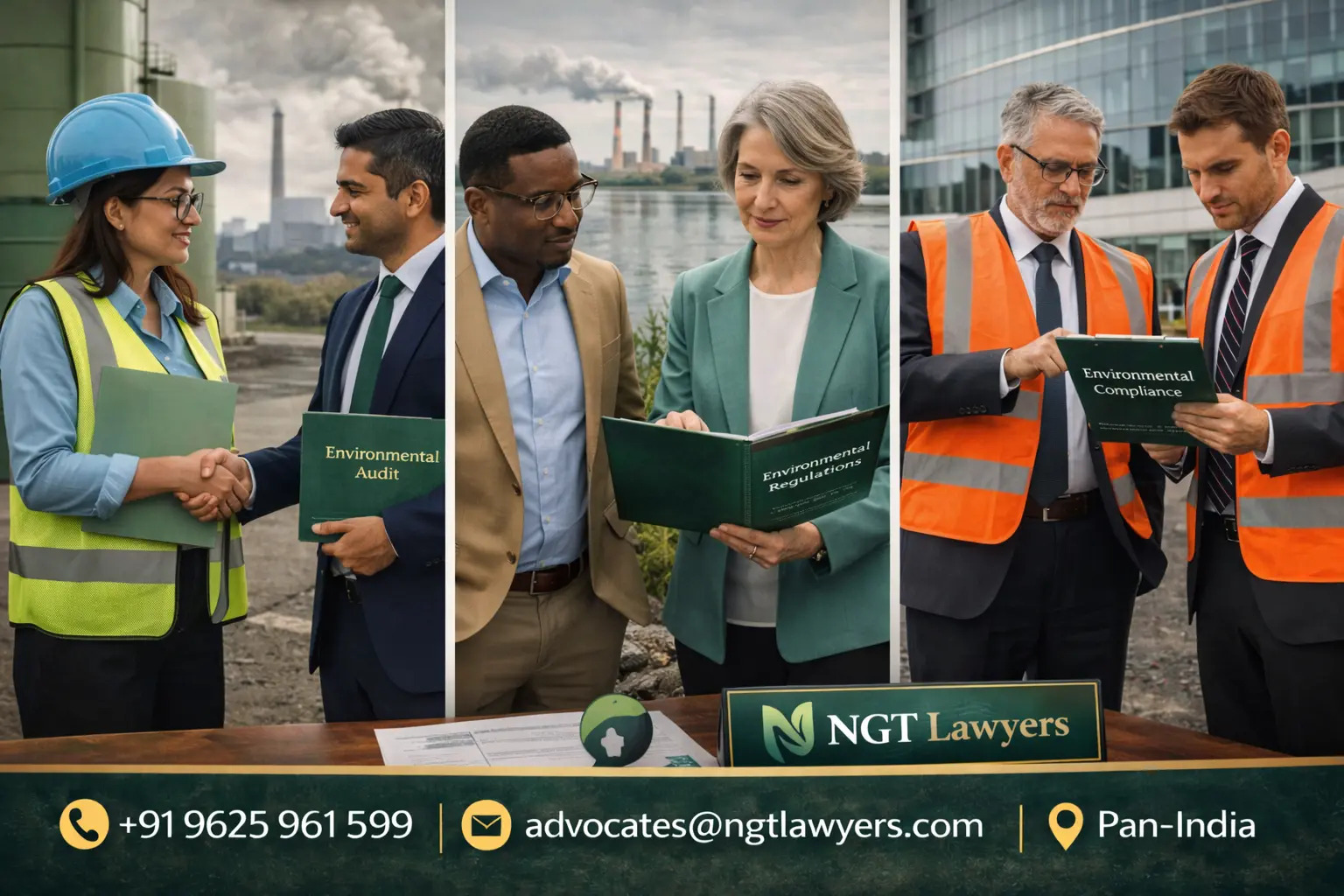
Environmental rules can affect businesses in ways that are sometimes easy to overlook. A factory, construction project or commercial operation may have requirements related to waste, emissions, water use, pollution control and environmental permissions. An Environmental compliance lawyer can help businesses understand these obligations and deal with legal concerns when questions are raised by regulatory authorities. The goal is not just to react after receiving a notice, but to understand what needs to be maintained properly before a problem starts.
Understanding Compliance Requirements
Environmental compliance is not one single rule that applies to every business. The requirements can vary according to the nature of the activity, location, scale and possible environmental impact. Permissions, consent documents, environmental clearances and periodic compliance records may all have a role. An Environmental compliance lawyer can review the applicable requirements and help identify areas where documentation or procedures may need attention. This can be useful because missing paperwork sometimes creates almost as much trouble as the underlying issue.
Handling Regulatory Notices
Receiving a notice from an environmental authority can naturally cause concern, especially when the document contains technical language and several points to answer. The first step should be understanding exactly what the authority has raised and which records relate to it. Inspection reports, consent conditions, testing results and previous correspondence may need to be reviewed. Legal guidance can help organise the response around the actual facts instead of sending a rushed explanation that leaves important questions unanswered.
Pollution and Waste Management Issues
Environmental compliance can involve several practical areas, including air emissions, wastewater treatment, solid waste, hazardous waste and other forms of pollution control. Businesses may need to maintain records showing how they meet the conditions applicable to their operations. An Environmental compliance lawyer can help examine the legal side of these requirements and explain potential concerns when compliance is questioned. Keeping records regularly is usually much easier than trying to reconstruct months of information after a notice arrives.
Environmental Clearances and Permissions
Some projects require environmental clearance or other regulatory approvals before particular activities can begin or continue. Conditions attached to an approval may also need ongoing compliance. If there is a disagreement about whether those conditions have been followed, the matter can become more complicated. Legal assistance can help in reviewing the approval documents, conditions, inspection material and communications connected with the project. Every project has its own circumstances, so copying another company’s compliance method is not always a good idea.
Conclusion
Environmental compliance is an ongoing responsibility rather than something that only matters when an authority sends a notice. Proper documentation, timely reporting and attention to applicable conditions can help businesses manage environmental responsibilities more effectively. An Environmental compliance lawyer can provide guidance when a business needs to understand regulatory requirements or respond to a legal concern. The right approach depends on the activity, documents and specific environmental issue involved. Taking compliance seriously from the beginning can save considerable confusion later.